
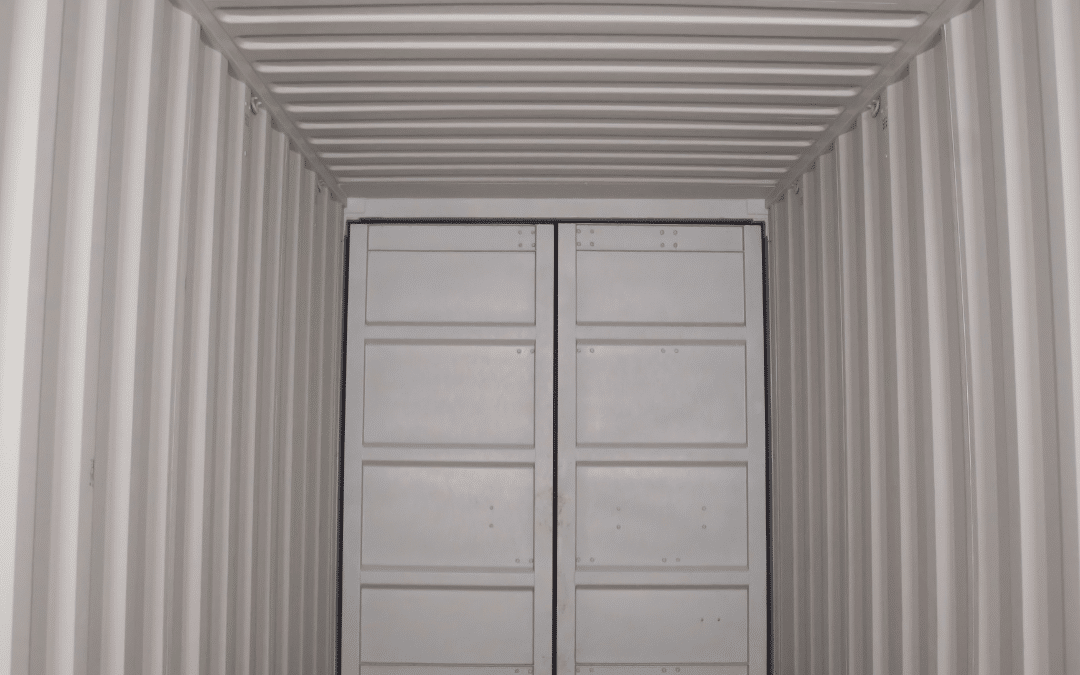
Running out of room on a job site or plant floor? Here is how industrial storage trailers give construction and manufacturing teams space, security, and breathing room without a building project.
When the Site Gets Tight
If you run a construction crew or a plant, you know the feeling. Materials show up before you have a place for them. Tools pile up in the corner of a half-finished room. A pallet of components sits in an aisle because the racking is full, and everyone keeps walking around it.
Space is a problem you can’t solve by wishing. Building an addition takes months and a lot of money, and the need that triggered it may be gone by the time the concrete cures. That’s why so many owners now look at industrial storage trailers. They show up fast, they go away when you’re done, and you only pay for the space while you use it.
What Storage Trailers Do on a Construction Site
Good construction logistics comes down to having the right thing in the right place at the right time. A storage trailer helps with all three.
Security is the first reason most owners call. Power tools, diagnostic gear, and small equipment walk off job sites more often than anyone likes to admit. A locked, enclosed trailer gives you a hard barrier that a pile of tarps never will. If you add a kingpin lock and a solid door lock, you’ve made your site a less attractive target.
Weather is the second. Lumber warps, drywall softens, and wiring and fasteners don’t love sitting in a rainstorm. Keeping materials dry inside a trailer protects your budget as much as your schedule, since ruined materials mean reorders and delays.
Staging is the third, and it’s the one people overlook. Park a trailer close to the work zone and your crew stops walking across the site for every box of fittings. Materials sit where they’re needed. Some teams even set up a simple workbench inside, which turns the trailer into a handy mobile supply room.
What They Do for Manufacturing
Plants have a different kind of squeeze. Production lines need steady inputs, and warehouse space rarely grows at the same pace as orders.
Overflow is the obvious use. Raw materials, spare parts, and packaging supplies can sit in a trailer by the dock instead of crowding the floor. When volume drops, the trailer leaves and you aren’t stuck with space you don’t need.
Staging is the quieter benefit. Parking a trailer near a specific loading dock or assembly area lets you hold components right before they go on the line. Workers spend less time hunting and hauling, and the line keeps moving.
Finished goods are the third piece. When shipping schedules shift, which they always do, completed product needs somewhere to wait for pickup. A trailer gives you that buffer without rearranging the whole facility.
Some plants also use extra trailer space to clear out equipment they don’t need every day, like utility trucks or specialty trailers, so the daily traffic flow stays clean.
Why Owners Keep Coming Back to This Option
A few things tend to win people over.
Speed matters. A trailer can be delivered and in use within days, not months. Cost matters too: leasing a unit costs far less than permanent construction, and you skip the property taxes and maintenance that come with a new building. Flexibility rounds it out. Add a unit when the project ramps up, send one back when it winds down.
There’s also something simple and practical here. You’re not betting on how big your business will be in five years. You’re solving this month’s problem with this month’s budget.
Making It Work: A Few Lessons From the Field
Placement deserves real thought. Put the trailer on firm, level ground, and use boards under the landing gear if the surface is soft. A trailer that sinks into mud is a headache nobody needs.
Think about access, too. Crews and forklifts need a clear path, and delivery drivers need room to position the unit. Walk the site with that in mind before the trailer arrives, not after.
Organize inside from day one. Heavy items low, frequently used items near the door, and pallets rather than loose stacking when you can. It makes inventory checks quick and keeps things safe.
Finally, check on it. A quick weekly look at the locks, door seals, and floor catches small problems before they become big ones.
Frequently Asked Questions About Industrial Storage Trailers
Most providers can deliver within a few days, depending on location and availability. If you know a project or busy season is coming, reaching out early gives you more choice on unit size and placement date.
It depends on what you’re storing. Trailers come in lengths from 28 to 53 feet. A 53-foot unit holds roughly 26 standard pallets, which suits most manufacturing overflow. Smaller job sites may do fine with a shorter unit. A provider can help you work out the right fit.
Enclosed steel trailers with solid doors are a strong starting point. Adding layered locks, such as kingpin, gladhand, and rear door locks, and parking in a well-lit, visible spot makes them harder to target. No setup is theft-proof, but these steps raise the bar a lot.
Yes. Short-term rentals work well for single projects, seasonal peaks, or temporary overflow. Longer leases make more sense if the need is ongoing. Many owners start short-term and extend once they see how much easier the site runs.
Level, firm ground matters. If you have a dock, the trailer sits at dock height and forklifts roll right in. Without one, you may need a yard ramp, so ask your provider about options.
With Boxwheel, our professional drivers deliver the trailer, position it where it works for your operation, and pick it up when you’re finished.
Let Boxwheel Handle the Space So You Can Handle the Work
At Boxwheel Trailer Leasing, we’ve spent years helping construction crews, manufacturers, and logistics teams find the right storage setup. We deliver straight to your site, set the trailer where you need it, and haul it away when the job is done. Prefer to keep a unit on our secure lot? Just give us a call.
Our fleet includes trailers from Great Dane, Wabash, and Utility in sizes from 28 to 53 feet, with short-term and long-term options that adjust as your project does.
Ready to clear some room? Get a free quote at boxwheel.com or call our team today. We’ll help you find the right trailer for your site.